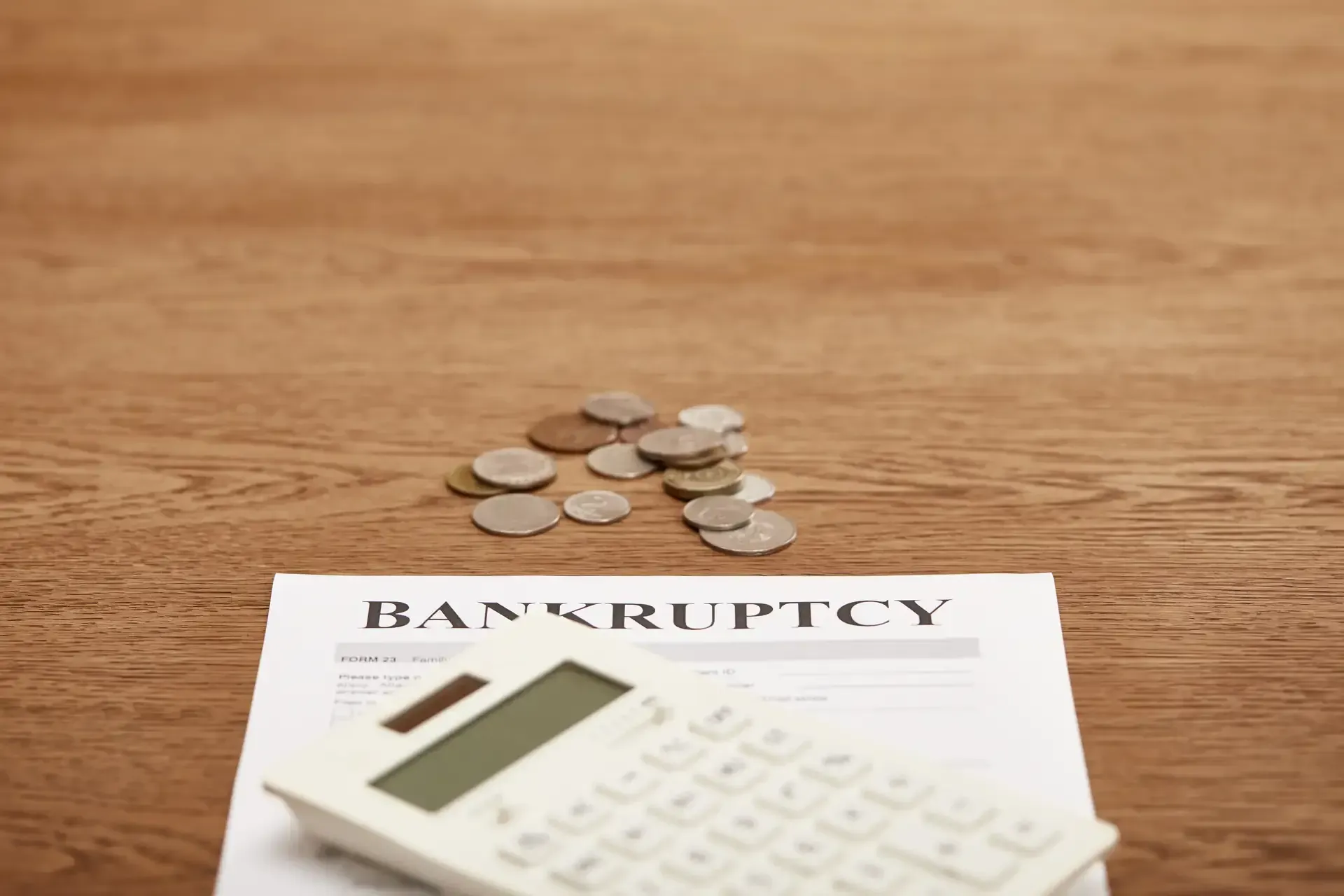
How to deal with personal insolvency
Personal insolvency can put significant strain on a person and on their loved ones. It's not always easy to know where to turn or how to deal with this kind of situation.
Don't let stress and worry win. Instead, focus on the practical aspects of how you will turn your finances around or how you will move through the process of insolvency. Read on to learn more.
Get a handle on your financial situation
There can be an element of confusion around personal insolvency, and you may not be sure what comes next. In such a high-stress, high-pressure situation, it might become difficult to truly understand your current situation and financial status. With this in mind, it's time to take stock and define the facts of the matter.
Go over your finances to understand what you are facing. By restructuring your finances and selling assets, you may find that you can pay off your creditors and move forwards. However, you may instead discover that you are entering into personal insolvency, and there is nothing you can do to avoid this.
Speak with someone
Personal insolvency is frightening, and many people report feeling alone or despondent when they become personally insolvent. In fact, you do have options open to you, and personal insolvency is not the end of the road.
This is why it pays to speak to someone — someone who can provide you with expert advice and guidance, as well as the compassion you need in what can be a difficult time. We pride ourselves on this approach at Clare Corrigan, and we are on hand to discuss your own situation.
Understand your options
When you become personally insolvent, you have a number of possibilities ahead of you. You could become voluntarily bankrupt, in which you declare yourself bankrupt and your assets are administered by a temporary trust. Alternatively, you may enter into a repayment agreement with your creditors, avoiding bankruptcy and the penalties that might come with this.
However, if you ignore the situation, you may find yourself entering involuntary bankruptcy. It is advisable to recognise the facts of the situation and to take proactive steps to put it right rather than wait for a bankruptcy notice.
Complete the terms of your agreement
Remember that bankruptcy and credit repayment agreements are not permanent. As we've discussed above, this is a process that you need to move through so you can emerge at the other end and go on with your life.
Keep this in mind during the term of your bankruptcy or your repayment agreement. Focus on overcoming this obstacle and then moving forward with what comes next. This can be a useful way to remain positive and hopeful, even during what can be a difficult period.
Learn more about dealing with personal insolvency — speak to Clare Corrigan today
Here at Clare Corrigan, we pride ourselves on a warm, understanding, and expert approach to personal insolvency. We offer effective advice and services you can rely on.
Reach out today, and let's discuss your situation.