Losing your job can be one of the most stressful and unsettling experiences in life. Beyond the immediate worry about income and bills, there’s also the uncertainty about what happens next especially if you already have existing financial commitments.
If you’ve suddenly found yourself without work and unable to keep up with your debts, you are not alone. Many Australians face this challenge every year, and while it can feel overwhelming, there are clear, practical steps you can take to regain control of your situation.
At
Clare Corrigan Personal Insolvency, we specialise in helping individuals who are struggling with financial distress. With more than a decade of experience in personal insolvency and bankruptcy, Clare and her team understand both the legal complexities and the emotional strain that come with financial hardship. Our role is to help you understand your options, protect your rights, and guide you towards a fair and sustainable solution.
Understanding the Impact of Job Loss on Debt
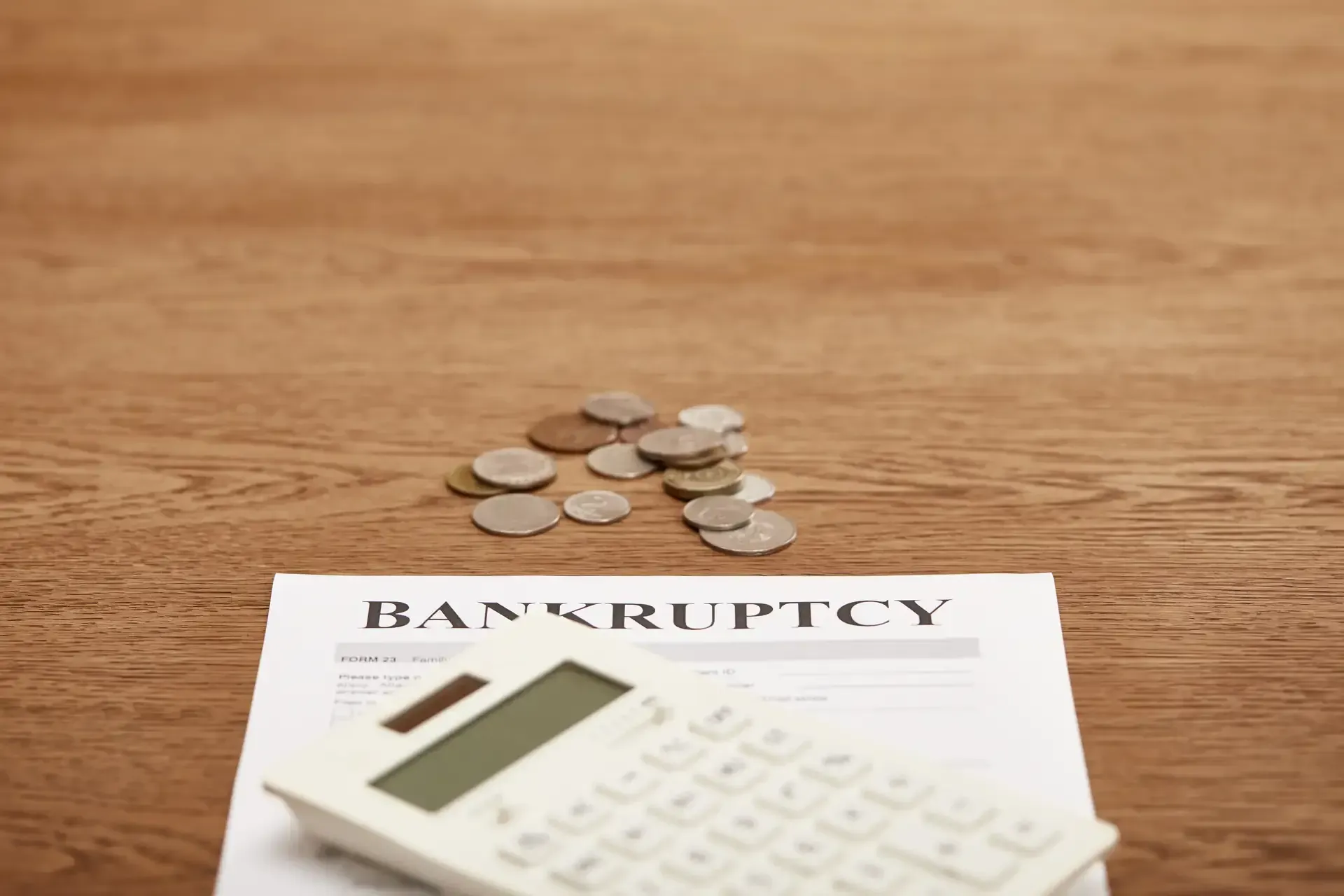
When you lose your income, even temporarily, the ripple effect can be significant. Without regular wages or salary, covering everyday expenses like rent, mortgage payments, utilities, and groceries becomes challenging, let alone keeping up with loan repayments, credit cards, or other debts.
Many people try to manage by using their savings or credit cards to fill the gap. However, this often leads to further financial strain, as interest rates and late fees start to build up. Others might feel pressure to take out new loans to stay afloat, which can create a cycle of debt that’s difficult to escape from.
The most important thing to remember is that
help is available. Losing your job doesn’t mean losing all your options. With early, informed action, it’s possible to stabilise your finances and work toward a fresh start.
Assess Your Financial Situation Honestly
Before you can plan, you need a clear picture of where you stand. Start by writing down all sources of income, even temporary or casual work, and compare them with your essential expenses. This includes rent or mortgage, utilities, food, transport, and medical costs.
Next, list all your debts, from credit cards and personal loans to overdue bills. Note the amounts, interest rates, and repayment dates. It may feel confronting, but understanding the full scope of your situation is the first step toward taking back control.
If you find this process difficult, Clare and her team can assist you in reviewing your financial position and identifying realistic next steps. Sometimes, having an experienced professional guide you through the numbers makes the path forward much clearer.
Communicate with Your Creditors
When money becomes tight, it’s common to avoid phone calls or letters from creditors out of fear or embarrassment. However, open communication is one of the best ways to prevent matters from escalating.
Most lenders and financial institutions have
hardship provisions that allow for temporary changes to your repayments. You may be able to pause or reduce payments while you get back on your feet. Explaining your situation early particularly that you’ve lost your job shows good faith and may help protect your credit rating.
If you’re not comfortable negotiating directly with creditors, Clare Corrigan Personal Insolvency can handle these conversations for you. We ensure your rights are respected and that any agreements are fair, realistic, and sustainable.
Know Your Legal Options
If your debts are unmanageable despite your best efforts, it may be time to explore your
formal insolvency options under Australian law. These processes are designed to help individuals in genuine financial difficulty find a way forward.
The main options:
1. Debt Agreement (Part IX)
A
Debt Agreement allows you to make an affordable repayment arrangement with your creditors. You’ll agree to pay a set amount over time, based on what you can reasonably afford. Once the agreement is accepted, creditors must stop charging interest and can’t take further legal action to recover the debts.
This option is often suitable for people with smaller debts and limited income who want to avoid bankruptcy.
2. Personal Insolvency Agreement (Part X)
A
Personal Insolvency Agreement (PIA) is a more flexible option, generally suited for people with higher debts or significant assets. It allows you to negotiate tailored repayment terms which might include partial repayment, asset sales, or lump-sum settlements.
It provides a structured solution while avoiding bankruptcy, and Clare can help ensure that the terms are fair and practical for your specific situation.
3. Bankruptcy
Bankruptcy is a legal process that can provide complete relief from most unsecured debts. While it has serious implications, such as affecting your credit file and certain financial restrictions, it also offers a genuine chance for a
fresh start.
As a
Registered Trustee in Bankruptcy, Clare Corrigan can help you understand what bankruptcy would mean for you, how your assets and income would be treated, and whether it’s the right option in your case.
Each of these options has different consequences and benefits. The right path depends on your unique circumstances, including your income, assets, debt level, and future goals.
Seek Professional Support Early
One of the most common mistakes people make is waiting too long before seeking professional help. By the time creditors begin legal action or debts are sold to collection agencies, options can become limited.
Speaking to a professional early gives you the opportunity to make informed choices and reduces unnecessary stress. Clare Corrigan and her team provide
personalised, confidential guidance to help you understand your situation, your rights, and the solutions available.
We pride ourselves on explaining every step in plain English, no confusing legal jargon, no judgment, and no false promises. Our goal is to help you feel in control again.
Protect Your Wellbeing
Financial distress often affects more than just your bank balance. The emotional and psychological toll can be significant. It’s not unusual to feel anxious, ashamed, or even hopeless when you can’t meet your financial commitments.
But it’s important to remember that financial hardship is not a personal failure, it’s a circumstance that can happen to anyone. Taking proactive steps to seek help and understand your options is an act of strength, not weakness.
At
Clare Corrigan Personal Insolvency, we approach every client with understanding and compassion. We take the time to listen, answer your questions, and help you make decisions that support both your financial and emotional wellbeing.
Plan for Your Recovery
Once your immediate financial situation is stabilised, the next step is rebuilding your financial health. This might involve:
- Setting a realistic budget that aligns with your new income.
- Building an emergency savings buffer once you’re able to.
- Re-establishing your credit slowly through responsible management.
- Reviewing insurance and superannuation to ensure you’re protected in the future.
Recovery is a gradual process, but with the right plan and support, you can rebuild your financial confidence and independence.
Final Thoughts
If you’ve lost your job and can’t pay your debts, remember, this is not the end of your financial story. With the right information and professional support, you can take control, protect your wellbeing, and move toward a stronger future.
At
Clare Corrigan Personal Insolvency, we’re here to guide you every step of the way. Our expertise, empathy, and transparent approach ensure you always understand your options and feel supported through every decision.
Don’t wait until your debts feel unmanageable,
reach out today and take the first step towards recovery.
This is paragraph text. Click it or hit the Manage Text button to change the font, color, size, format, and more. To set up site-wide paragraph and title styles, go to Site Theme.